

Opening of the Rowse Honey Bee Hive in the Walled Garden.
This new interactive experience, gives families the chance to learn all about the importance of bees/ other pollinators!
This project between Blenheim Palace and Rowse Honey, includes planting wild flowers across the Blenheim Estate/ gardens to encourage more wildlife.
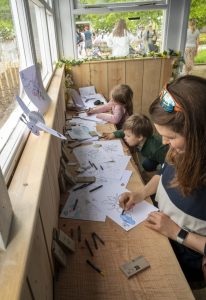
Admission to the Rowse Honey Bee Hive is included within the Blenheim Palace ticket (Annual/ Privilege Pass).
Roy Cox Managing Director, Blenheim Estate, commented:
“The Bee Hive is the latest stage in our ongoing partnership with Rowse Honey, which aims to enhance and expand habitats for pollinators across the Estate, creating a natural environment where wildlife can not only survive, but thrive.
“In the UNESCO World Heritage Site, we are fortunate to care for part of Oxfordshire which has remained relatively untouched for centuries. This makes it a haven for native pollinator species, which can forage on the Estate’s extensive natural flora and wildflowers.”


Libby Nicholson, Brand Manager, at Rowse Honey, said:
“Bees are a vital part of our natural ecosystem, pollinating around three quarters of the food crops we eat including many types of fruit, vegetables and seeds. However, the sad truth is that many pollinator species are in decline here in the UK, which means we need to act now.
“Together with Blenheim, we’re working to inspire kids and grown-ups to join us on our mission to protect bees and other pollinating insects for future generations. Our Rowse Bee Hive provides a fun and interactive space for visitors to learn about the important work carried out by these amazing creatures. Across the wider Blenheim Estate, there are also opportunities to discover the impact our Hives for Lives partnership is having on the local area, including 27 new log hives and over 50 acres of nectar-rich wildflowers for the bees to enjoy.”